

Planning, conducting and participating in a meeting.
How to plan a meeting? Define the purpose and outcome Determine who should be there? Reserve meeting room and required equipment Decide setup Develop an agenda Distribute agenda prior to …...
What is the meeting? Types and components of meetings
Meeting: Formal gathering of two or more people of similar interest for sharing information and achieving a goal Definition from oxford dictionary Objectives: To coordinate / arrange activities Report activity …...

Steps and techniques of giving interviews
Guidelines/Techniques for Giving Interview ( For Interviewee) Prepare for the Interview. Anticipate questions and form answers. Research about the company. Make an Appropriate Appearance. Dress, neatness, right posture, facial expressions, …...
Steps and techniques of taking interviews
Guidelines / Techniques of Taking Interviews ( For Interviewer) Plan the interview. Make a list and use it as the outline for the interview. Put the Interviewee at Ease. An …...
What are the types of the interview? What is interview media?
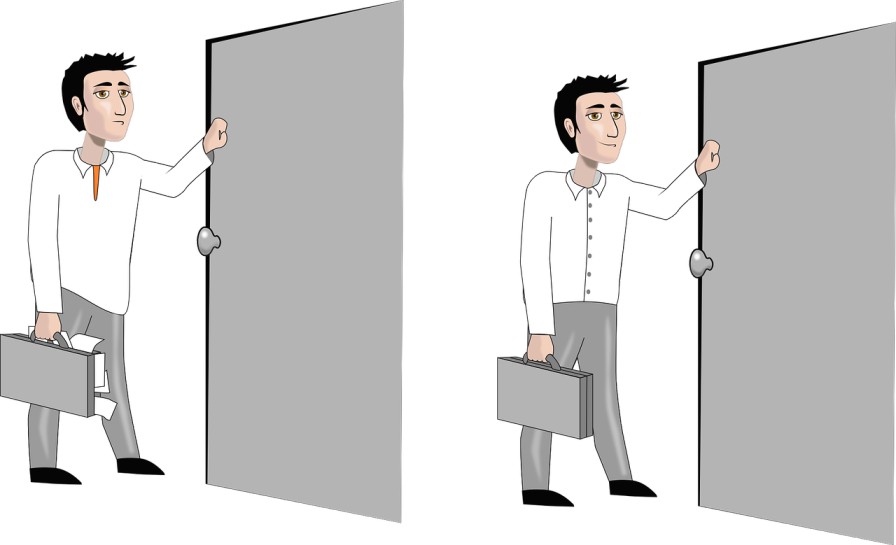
Types of Interviews 1. Structured Versus Unstructured Interviews In structured interview, the interviewer ( or a computer) asks a series of prepared questions in a set order. Structured interviews help …...
What is interview? What is the typical sequence of the interview?
What is Interview ? Interview is a formal meeting at which somebody is asked questions to see if they are suitable for a particular job, or for a course of …...

What is Etiquette? Know about Etiquette in Workplace, Telephone Etiquette, Online Etiquette and more!
Etiquette: Introduction Etiquette is the formal rules of correct or polite behavior in society or among members of a particular profession. A poor etiquette can drive away customers, investors, and …...

Post Speech Activities: What you should keep on your mind?
Post-Speech activities Politely invite your audience to participate in a question-answer session When an audience member asks a question, make sure everyone hears it. If not, you can repeat the …...
Oral Presentations and Its Types
Four Types of Oral Presentations: The impromptu speech If you make a speech without preparation, that is IMPROMPTU SPEECH. If you are asked a question, you need to organize your …...
Public Speaking. Things you need to consider
Tips/ Techniques for public speaking / formal speech /Oral Presentations 1. Selection of the Topic : your topic will be assigned or you will select While selecting topic, you should …...