
Last Updated on by ICT BYTE
Understanding Phishing Scams in Nepal
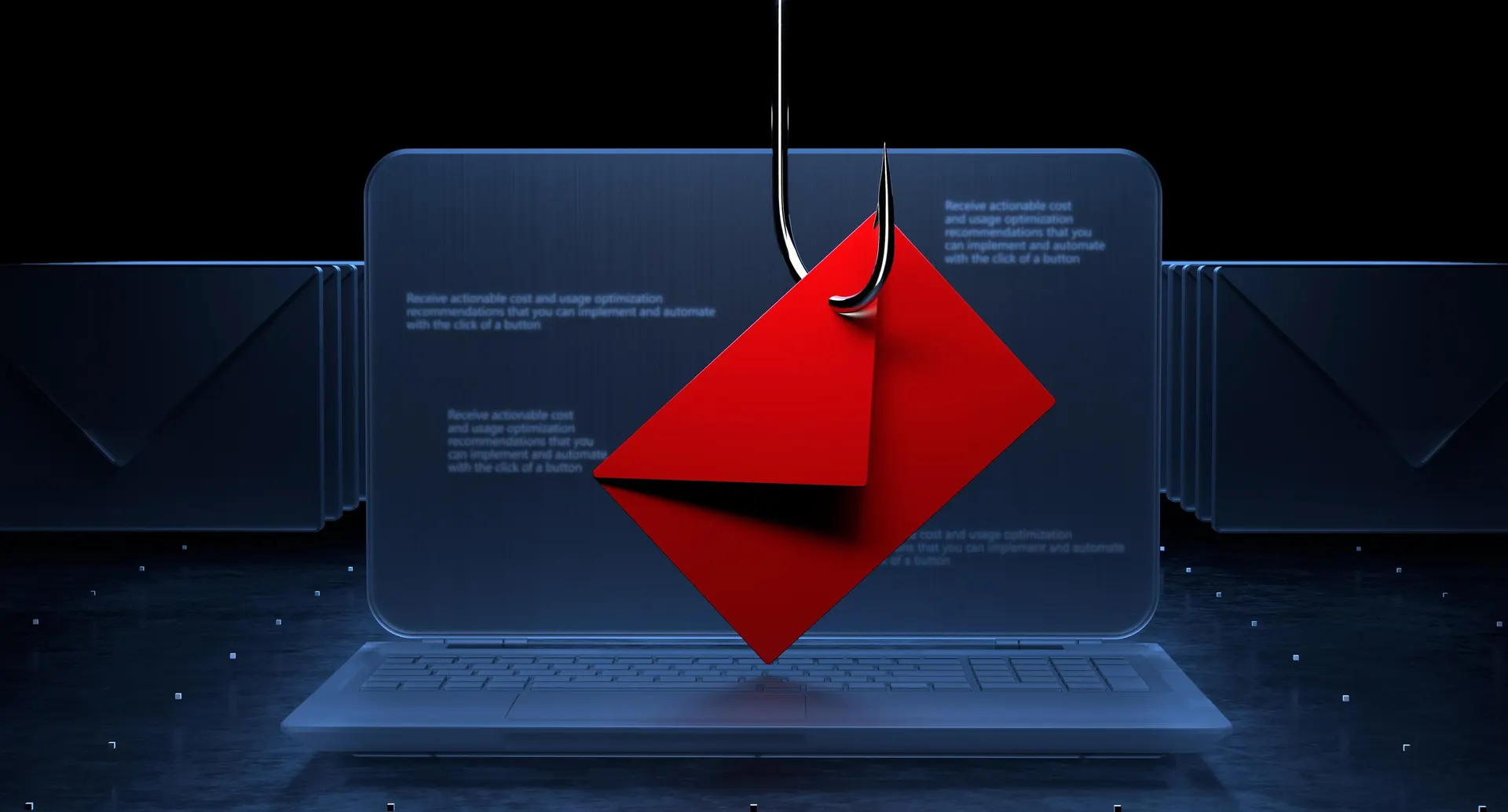
In today’s increasingly digital world, online scams are a growing concern for everyone, including users in Nepal. Among the most common threats is phishing. Phishing attacks aim to trick individuals into revealing sensitive information like usernames, passwords, credit card details, or even personal identification numbers. These scams often impersonate legitimate organizations, making them deceptively convincing.
For Nepali users, whether on NTC, Ncell, or using internet services from providers like WorldLink or Vianet, being aware of these tactics is crucial. Scammers exploit trust and urgency to achieve their malicious goals. This guide will help you identify and avoid falling victim to phishing attempts.
Common Types of Phishing Attacks
Phishing isn’t limited to just one method. Scammers use various channels to reach their targets:
- Email Phishing (Phishing): The most traditional form, where fake emails are sent, appearing to be from banks, government agencies, or popular online services.
- Spear Phishing: A more targeted attack, where scammers personalize emails with specific information about the recipient, making them more believable.
- Whaling: Similar to spear phishing but targets high-profile individuals like CEOs or senior executives.
- Smishing (SMS Phishing): Phishing attempts conducted via text messages. You might receive an SMS prompting you to click a link or call a number.
- Vishing (Voice Phishing): Scammers call individuals, pretending to be from legitimate institutions, to extract information.
How to Spot a Phishing Email or Message
Detecting a phishing attempt requires a keen eye for detail. Here are common red flags to watch out for:
1. Suspicious Sender Address
Phishing emails often come from email addresses that are slightly different from the legitimate ones. Look for misspellings, extra characters, or unusual domains. For example, instead of an official bank email, you might receive one from ‘support@bankofnepal-secure.com’ instead of ‘support@bankofnepal.com.np’. Always verify the domain.
2. Generic Greetings
Legitimate organizations usually address you by your name. Phishing emails often use generic greetings like ‘Dear Customer,’ ‘Dear User,’ or ‘Valued Account Holder.’ If the email doesn’t use your name, be cautious.
3. Urgent or Threatening Language
Scammers create a sense of urgency to pressure you into acting without thinking. You might see phrases like ‘Your account has been compromised,’ ‘Immediate action required,’ or ‘Your account will be suspended.’ These are designed to induce panic.
4. Poor Grammar and Spelling
While not always present, many phishing messages contain grammatical errors, awkward phrasing, or spelling mistakes. Professional organizations typically proofread their communications carefully.
5. Suspicious Links and Attachments
Hover your mouse cursor over links (without clicking!) to see the actual URL. If it looks suspicious or doesn’t match the purported destination, don’t click it. Similarly, avoid opening unexpected attachments, as they can contain malware.
6. Requests for Personal Information
Legitimate companies will rarely ask you to provide sensitive information like passwords, PINs, or full credit card numbers via email or SMS. If a message asks for this, it’s almost certainly a scam.
7. Mismatched Website URLs
If you are prompted to log in, ensure the website URL is correct and secure (starts with ‘https://’). Phishing sites often mimic legitimate URLs with slight variations. For instance, a fake Nabil Bank login page might look identical but have a slightly different web address.
Protecting Yourself from Phishing
Taking proactive steps can significantly reduce your risk:
1. Be Skeptical
If something seems too good to be true or if a request feels unusual, approach it with skepticism. Don’t let urgency or curiosity override your caution.
2. Verify Independently
If you receive a suspicious communication claiming to be from your bank, NTC, Ncell, or any service provider, do not click any links or call any numbers provided. Instead, visit the organization’s official website directly or call their publicly listed customer service number to verify the request.
3. Use Strong, Unique Passwords
Employ strong, unique passwords for all your online accounts. Consider using a password manager. Enable two-factor authentication (2FA) wherever possible for an extra layer of security.
4. Keep Software Updated
Ensure your operating system, web browser, and antivirus software are always up-to-date. Updates often include security patches that protect against known threats.
5. Train Your Brain
Regularly educate yourself and your family about the latest phishing tactics. Awareness is your best defense.
Phishing Scams in the Nepali Context
While global in nature, phishing scams in Nepal often leverage local platforms and services. Scammers might impersonate popular e-commerce sites like Daraz or SastoDeal, local banks, or even government services. They may also exploit common anxieties, such as fake job offers or lottery winnings, tailored to the Nepali market. Be particularly wary of unsolicited messages promising unbelievable deals or asking for advance fees to release prizes.
For those in the diaspora in countries like the USA, UK, Australia, or the Gulf, remember that scam tactics can be global. However, always compare the prices and services offered locally in Nepal when considering any online deals that seem too good to be true.
Bottom Line for Nepal
Spotting a phishing scam requires vigilance and a healthy dose of skepticism. By understanding the common tactics used by scammers and following best practices for online security, Nepali users can significantly protect themselves from digital fraud. Always verify suspicious communications through official channels, never share sensitive information carelessly, and keep your digital defenses strong.