
Last Updated on by ICT BYTE
Nepal’s Central Bank Tightens Digital Wallet Regulations with National ID Mandate
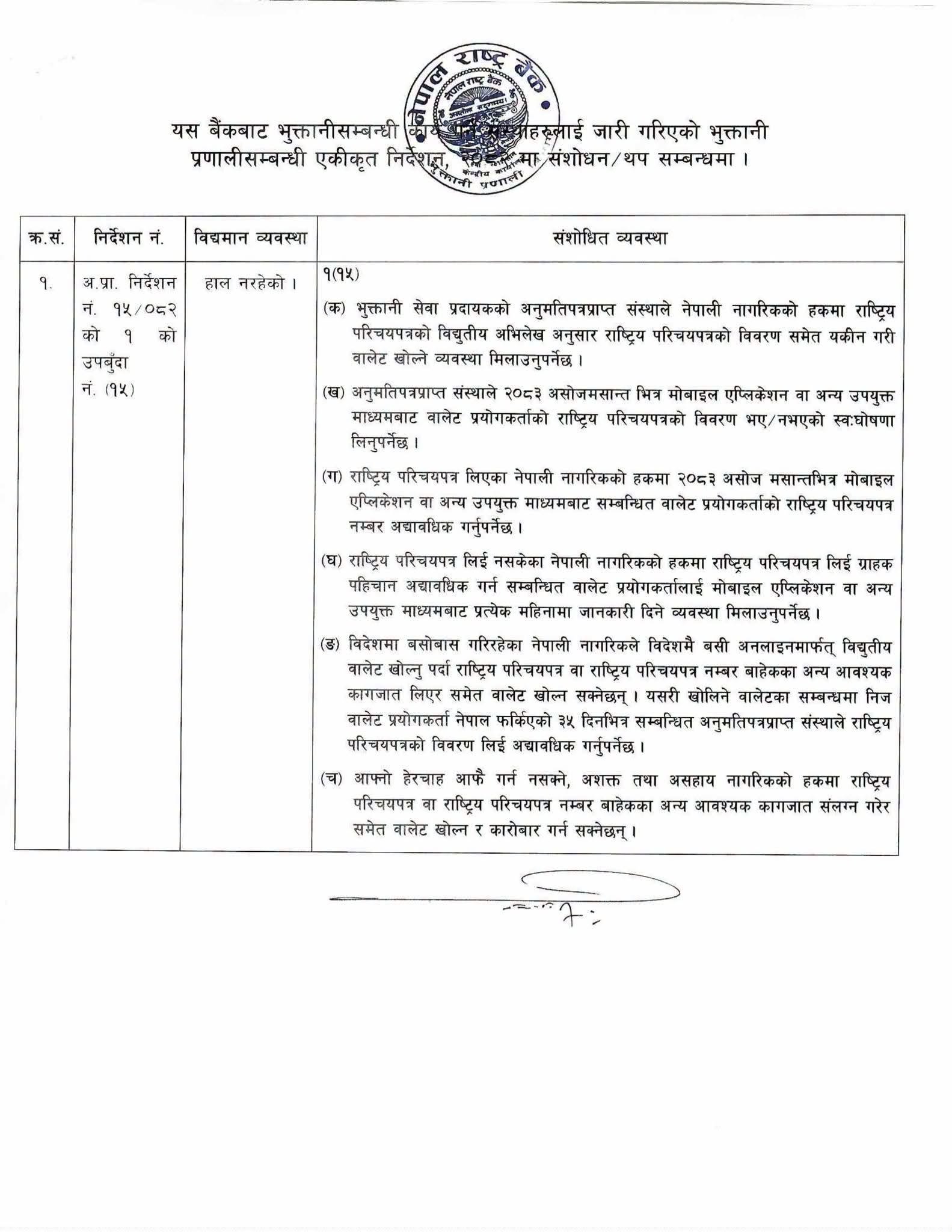
Nepal Rastra Bank (NRB), the nation’s central bank, is expanding its push for a unified digital identity by requiring all digital wallet users to link their accounts with their National Identity Card (NID) details. This move, part of the 15th amendment to the ‘Unified Directives on Payment Systems, 2082,’ aims to enhance security, prevent financial risks, and curb illicit activities like money laundering and cyber fraud.
Previously, NRB had indicated plans to make the NID mandatory for even old bank accounts. Now, the focus extends to the rapidly growing digital wallet sector, a critical component of Nepal’s digital economy.
Key Changes for Digital Wallet Users in Nepal
The new directive mandates that all licensed Payment Service Providers (PSPs) must verify and incorporate the details of Nepali citizens’ NIDs when issuing or operating digital wallets.
Self-Declaration Deadline Approaching
Licensed PSPs are required to obtain a self-declaration from wallet users regarding the presence of their NID details. This process needs to be completed by the end of Ashwin 2082 (mid-October 2025), using mobile applications or other suitable digital channels.
NID Number Update Deadline
For Nepali citizens who already possess a National Identity Card, the directive sets a deadline of the end of Ashwin 2083 (mid-October 2026) to update their NID number within their respective digital wallet accounts. This update must also be facilitated through mobile apps or other convenient digital platforms.
Support for Those Without NIDs
Recognizing that some citizens may not yet have obtained their NID, NRB has put in place a system for them. Wallet users without an NID will be regularly reminded, at least monthly, via mobile apps or other channels to update their NID details once they acquire it. This ensures a gradual transition towards full compliance.
Exceptions and Special Provisions
NRB has included specific exemptions for certain user groups to ensure inclusivity and accessibility:
- Nepali Citizens Residing Abroad (NRIs): For Nepalis living overseas, the process of opening a digital wallet will be more flexible. They can open accounts using alternative necessary documents even without an NID. However, they are required to update their NID details within 35 days of returning to Nepal. This acknowledges the practical difficulties NRIs might face in obtaining or updating their NID while abroad.
- Physically Incapacitated Individuals: The directive also provides leniency for citizens who are unable to care for themselves due to disability or infirmity. These individuals can open and operate digital wallets using alternative documentation if they do not possess an NID, ensuring they are not excluded from digital financial services.
Rationale Behind the Centralized KYC Mandate
The primary driver for this stringent policy is to mitigate significant financial risks and prevent the misuse of digital wallets. NRB cited several key concerns:
- Multiple Accounts and Financial Risk: The existence of numerous accounts and wallets under a single individual can amplify financial risks within the system.
- Combating Financial Crimes: Digital wallets can be exploited for illicit activities such as cybercrime, fraud, and money laundering (AML – Anti-Money Laundering). A unified NID system strengthens Know Your Customer (KYC) procedures, making it harder for criminals to operate anonymously.
- Enhancing Security: By centralizing identity verification through the NID, NRB aims to create a more secure digital financial ecosystem.
Consequences of Non-Compliance
Nepal Rastra Bank has clearly indicated that users who fail to update their NID details within the stipulated deadlines may face consequences. These could include future technical disruptions to their wallet services or limitations on their account activities. This serves as a strong incentive for users to comply with the new regulations promptly.
Bottom Line for Nepal’s Digital Economy
This directive marks a significant step towards formalizing Nepal’s digital financial landscape. For the average Nepali citizen using digital payment apps like Khalti, eSewa, or IME Pay, it means a one-time administrative task to link their NID. While there are clear deadlines and potential repercussions for non-compliance, the exemptions for NRIs and persons with disabilities demonstrate a balanced approach. The ultimate goal is to build a more secure, transparent, and robust digital payment system, crucial for Nepal’s ongoing digital transformation and its integration into the global financial network.