
Last Updated on by ICT BYTE
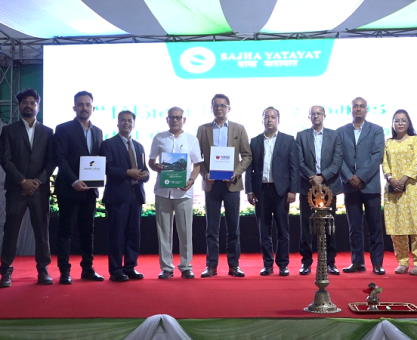
Public transportation in Kathmandu is undergoing a significant transformation as Sajha Yatayat, the city’s prominent public transit cooperative, officially announces a strategic partnership with Nepal Investment Mega Bank Limited (NIMB). This collaboration marks a pivotal shift toward a fully modernized fare collection system, aiming to move away from traditional cash-based transactions in favor of a seamless, digital-first experience for daily commuters.
The Shift Towards Cashless Commuting
For years, passengers boarding Sajha buses have relied on physical cash to pay for their fares. While this has been the standard for decades, it often leads to challenges such as the difficulty of managing small change, increased boarding times at busy stops, and potential inaccuracies in daily revenue tracking. By integrating a digital ticketing system, Sajha Yatayat is addressing these operational hurdles head-on. The partnership with NIMB serves as the backbone of this transition, providing the banking infrastructure necessary to process digital payments securely and efficiently across the entire fleet.
How the NIMB Partnership Enhances Transit
As the designated Payment Partner Bank, NIMB brings a wealth of financial technology expertise to the table. The implementation of this system is expected to streamline the boarding process significantly. Instead of fumbling for notes or coins, passengers will be able to use digital payment methods supported by the bank to pay for their rides instantly. This not only improves the passenger experience by reducing wait times but also provides the transit cooperative with better data insights. With digital records of ticket sales, Sajha Yatayat can better analyze passenger flow, peak travel times, and route demand, allowing for more data-driven operational decisions.
Impact on Kathmandu’s Urban Mobility
The digitalization of public transit is a crucial step in the broader goal of building a ‘Smart City’ in Nepal. When public transportation systems become more reliable and easier to use, it encourages more citizens to choose buses over private vehicles, which can lead to reduced traffic congestion and a lower carbon footprint for the capital city. Furthermore, this move signals a growing trend in Nepal’s financial sector where traditional banking institutions are increasingly collaborating with essential service providers to integrate digital payments into the daily lives of citizens. The move toward a cashless transit system is likely to encourage other transport operators to follow suit, eventually creating a unified, city-wide digital payment ecosystem.
Looking Ahead: A More Connected Future
While the initial rollout of this partnership focuses on fare collection, the long-term potential for this collaboration is vast. As technology continues to evolve, we may see further integration of mobile applications, real-time bus tracking, and subscription-based travel passes. For the average commuter in Kathmandu, this partnership is more than just a change in how they pay; it represents a commitment to modernizing public infrastructure. As Sajha Yatayat and NIMB continue to refine this digital ticketing system, the people of Kathmandu can look forward to a more efficient, transparent, and hassle-free way to navigate the city.
In conclusion, the collaboration between Sajha Yatayat and Nepal Investment Mega Bank is a landmark development for public transport in Nepal. By embracing digital payment solutions, the cooperative is setting a new standard for service delivery, proving that even the most traditional sectors can successfully adapt to the demands of the digital age. As the system rolls out, commuters should stay tuned for updates on how to register and utilize these new digital tools for their daily travels.