
Last Updated on by ICT BYTE
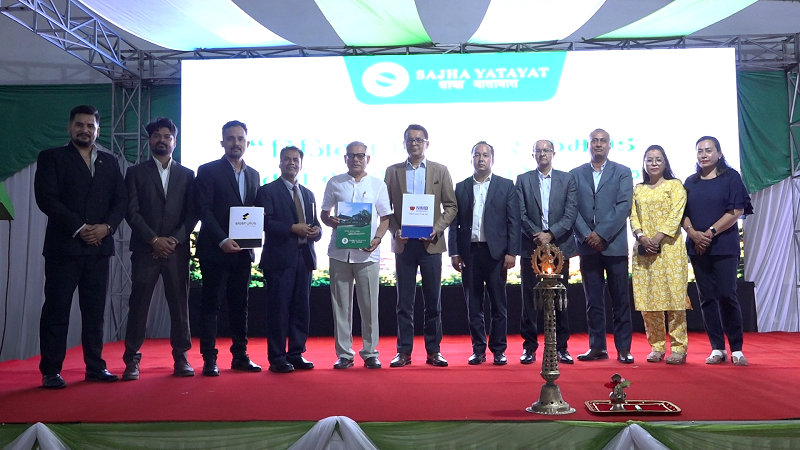
Public transportation in Kathmandu is undergoing a significant transformation as Sajha Yatayat, the city’s prominent public transport cooperative, officially joins forces with Nepal Investment Mega Bank Limited (NIMB). This strategic collaboration marks a pivotal moment for urban mobility, focusing on the implementation of a comprehensive digital ticketing system. By moving away from traditional cash-based transactions, the partnership aims to streamline the commuting experience for thousands of daily passengers while introducing modern financial technology into the heart of the capital’s public transit network.
Modernizing the Commuter Experience
For years, the reliance on physical currency for bus fares has been a logistical hurdle for both commuters and transport operators. Passengers often face the frustration of carrying exact change, while conductors deal with the slow pace of manual fare collection. The introduction of a digital ticketing system addresses these inefficiencies head-on. By partnering with NIMB, Sajha Yatayat is positioning itself to offer a seamless, contactless payment environment. This shift is not merely about convenience; it is a fundamental upgrade to the infrastructure of public travel, ensuring that the time spent boarding and paying for a ride is reduced significantly, leading to better schedule adherence and overall efficiency.
The Role of NIMB in Digital Transit
As the designated payment partner, Nepal Investment Mega Bank Limited brings a wealth of financial expertise to this initiative. NIMB’s involvement ensures that the digital infrastructure supporting the ticketing system is secure, reliable, and capable of handling high-volume transactions. The bank will provide the necessary technical support and payment processing gateways that allow commuters to pay for their fares digitally. This integration is a testament to the growing trend of financial inclusion in Nepal, where banking institutions are increasingly moving beyond traditional services to facilitate everyday consumer activities like public transport, effectively bridging the gap between digital banking and the common citizen.
Impact on Kathmandu’s Urban Mobility
The transition to digital ticketing is expected to have a ripple effect on how residents view public transport. With a more transparent and trackable system, the management of Sajha Yatayat can gather better data on passenger flow and peak travel times. This data-driven approach allows for more informed decision-making regarding route adjustments and bus frequency. Furthermore, the move supports the broader national goal of a ‘Digital Nepal,’ reducing the dependency on cash and promoting a cleaner, more organized urban environment. As passengers adapt to digital methods, the overall transit ecosystem becomes more resilient and capable of evolving with the needs of a growing, tech-savvy population.
Future Prospects for Public Transit
While the implementation of this system is currently in its early stages, the partnership sets a clear precedent for other transport providers in the country. If successful, the Sajha Yatayat and NIMB model could serve as the blueprint for nationwide public transport digitization. As the system rolls out, it is expected that user adoption will grow, driven by the ease of use and the potential for integrated loyalty programs or travel passes. The collaboration is a clear indicator that the future of public transportation in Nepal is undeniably digital, prioritizing speed, safety, and technological integration.
Conclusion
The collaboration between Sajha Yatayat and NIMB represents a major step forward in the modernization of Kathmandu’s public transportation. By prioritizing digital ticketing, the initiative makes daily commutes more efficient and aligns the transport sector with modern financial standards. As the capital continues to grow, such innovations are essential for creating a smarter, more connected city for all residents.