
Last Updated on by ICT BYTE
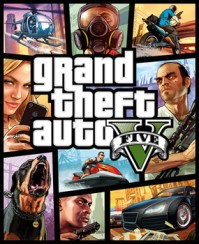
With Grand Theft Auto VI looming on the horizon, gaming enthusiasts around the globe are preparing for what promises to be one of the biggest entertainment events of the decade. Yet, stepping back into the sprawling, sun-soaked expanse of Los Santos in Grand Theft Auto V offers a profound reminder of why Rockstar Games remains at the pinnacle of open-world design. More than ten years after its initial launch, GTA V continues to mesmerize players with its intricate world-building, sharp cultural commentary, and unmatched technical achievements.
Returning to Los Santos today isn’t just an exercise in nostalgia; it is a masterclass in modern digital design. Despite the passage of time and multiple console generations, the digital recreation of Southern California feels strikingly alive, vibrant, and remarkably relevant.
A Masterclass in Unmatched World-Building
What immediately strikes anyone revisiting Grand Theft Auto V is the incredible level of detail embedded within its map. Los Santos and Blaine County are not merely massive geographical spaces filled with repetitive assets; they are meticulously crafted environments with distinct personality and flavor. From the smoggy urban sprawl of Downtown Los Santos to the rugged wilderness of Mount Chiliad and the quirky desert vibe of Sandy Shores, every corner of the map feels purposeful.
The living atmosphere is sustained by subtle mechanics that many modern titles still struggle to replicate. Non-playable characters (NPCs) go about their daily routines, react dynamically to weather changes, engage in spontaneous conversations, and respond realistically to player actions. The seamless integration of atmospheric radio stations, ambient lighting, and detailed audio cues ensures that driving down the Del Perro Freeway at sunset remains one of the most cinematic experiences in interactive media.
A Sharp Satire of 2010s Culture
Beyond its visual fidelity and expansive geography, GTA V succeeds because of its sharp, uncompromising bite as a satire. Released in 2013, the game captured the spirit of 2010s Western society with eerie precision. It skewered the rise of social media addiction, corporate greed, celebrity obsession, modern politics, and the relentless pursuit of the American Dream.
Re-examining the game’s parody advertisements, in-game television broadcasts, and radio talk shows reveals a snapshot of a specific era that feels surprisingly prescient today. While some references reflect their specific time period, the overarching commentary on tech-monopoly culture and sensationalized media remains as potent now as it was at release. Rockstar managed to build a world that is simultaneously ridiculous and deeply grounded in reality.
Innovative Three-Protagonist Storytelling
At the heart of GTA V’s narrative success is its ambitious three-protagonist mechanic. Switching between Michael, Franklin, and Trevor was a revolutionary step for open-world games, providing three drastically different perspectives on the narrative. Michael represents the disillusioned, retired bank robber trying to navigate family life; Franklin embodies the ambitious hustler seeking a way out of street life; and Trevor delivers chaotic, unpredictable energy that serves as a commentary on the chaotic nature of grand theft auto gameplay itself.
This dynamic character-switching system keeps the gameplay loop engaging even during long play sessions. Zooming out into a satellite view and dropping down into the everyday life of another character creates a sense of interconnectedness that few games have successfully duplicated since. It allows players to experience the breadth of Los Santos from entirely different social strata and geographic vantage points.
Setting High Expectations for Vice City in GTA 6
Revisiting GTA V naturally raises the question: what will Rockstar Games accomplish with Grand Theft Auto VI? Looking at the structural genius, visual endurance, and technical depth of Los Santos highlights the immense benchmark Rockstar has set for itself. As the setting shifts to a modern-day Vice City, fans expect an even higher standard of dense environments, realistic AI, and up-to-date social satire reflecting the 2020s.
If GTA V can maintain its charm, gameplay relevance, and visual brilliance over a decade after its original debut, the upcoming sequel has the potential to redefine the video game industry once again. The enduring appeal of Los Santos proves that when an open world is constructed with care, artfulness, and attention to detail, it can stand the test of time.
Conclusion
As the gaming community counts down the days until the next chapter in the franchise, taking one last trip through Los Santos is a deeply rewarding experience. Grand Theft Auto V is not just a commercial juggernaut; it is a monument to visionary game design. Long after the main story missions are finished, Los Santos remains a vibrant, chaotic, and beautiful world that still manages to surprise us today.