
Last Updated on by ICT BYTE
In our increasingly connected world, cellular networks serve as the backbone for everything from our daily smartphone usage to critical smart home infrastructure. However, a recent study conducted by researchers at Michigan State University has uncovered a startling vulnerability in the systems designed to protect us. The very safeguards intended to render stolen phones useless are now being identified as potential weapons that could be weaponized to disrupt legitimate devices and critical home security systems.
The Double-Edged Sword of IMEI Blocking
When a smartphone is lost or stolen, the standard procedure is to report the device’s International Mobile Equipment Identity (IMEI) to cellular carriers. Once blacklisted, the device is ostensibly disconnected from the network, preventing thieves from using it. While this protocol is essential for deterring theft, researchers have discovered that the mechanism itself is not as robust as previously believed. The study highlights that the reporting system can be manipulated, allowing malicious actors to submit false reports that effectively ‘brick’ the cellular connectivity of devices that were never actually stolen.
Risks to Smart Home and Alarm Systems
Perhaps the most concerning discovery is how this vulnerability extends beyond mobile handsets. Many modern home alarm systems and security sensors rely on cellular connectivity to transmit alerts to monitoring stations and homeowners. Because these systems often use the same network authentication protocols as smartphones, they are susceptible to the same blacklisting tactics. An attacker could potentially target the IMEI of a security gateway, causing it to be dropped from the cellular network. In a worst-case scenario, this could leave a home completely vulnerable, as the alarm system would be unable to communicate an emergency to the outside world during an actual intrusion.
Implications for Future Flagship Devices
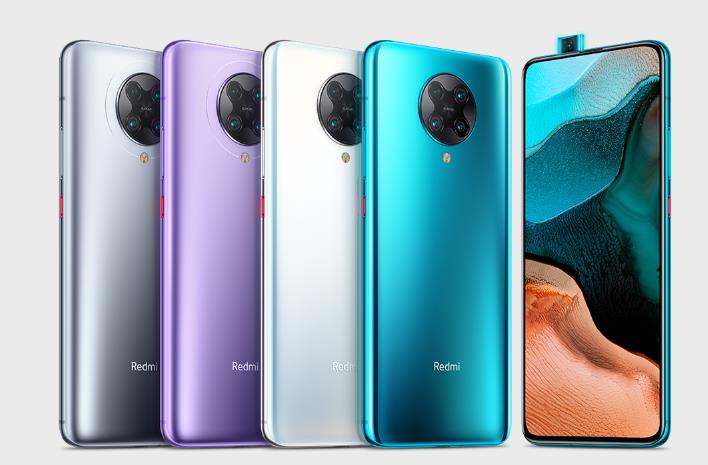
The research also points toward broader implications for the next generation of flagship devices. As manufacturers continue to integrate more complex connectivity features, the reliance on centralized IMEI databases becomes a single point of failure. If the verification process for these reports is not tightened, we could see a rise in ‘cellular sabotage’ where legitimate users find their high-end devices suddenly non-functional due to malicious reporting. This forces a conversation about the necessity of multi-factor verification for network-level blocking to ensure that only verified owners can trigger such a drastic measure.
Strengthening Network Integrity
What can be done to address these findings? Experts suggest that telecom providers must implement more rigorous identity verification processes before an IMEI is added to a permanent blacklist. Moving toward a system that requires proof of ownership—verified through digital certificates or secure cloud-based authentication—could mitigate the risk of fraudulent reports. Furthermore, manufacturers of smart home devices should consider implementing redundant connectivity options, such as dual-path reporting that utilizes both Wi-Fi and cellular, to ensure that the loss of one connection does not compromise the entire security ecosystem.
Ultimately, the research from Michigan State University serves as a vital wake-up call for the telecommunications industry. As we move toward a more integrated digital future, the security of our devices must be balanced with the integrity of the networks they depend on. By identifying these flaws now, the industry has the opportunity to patch these systemic weaknesses before they can be exploited on a larger scale, ensuring that our safety measures don’t inadvertently become our greatest liabilities.